top of page

Nintendo Pays €35 Million to Settle Switch Controller Defect Case as Product Accountability Takes Center Stage

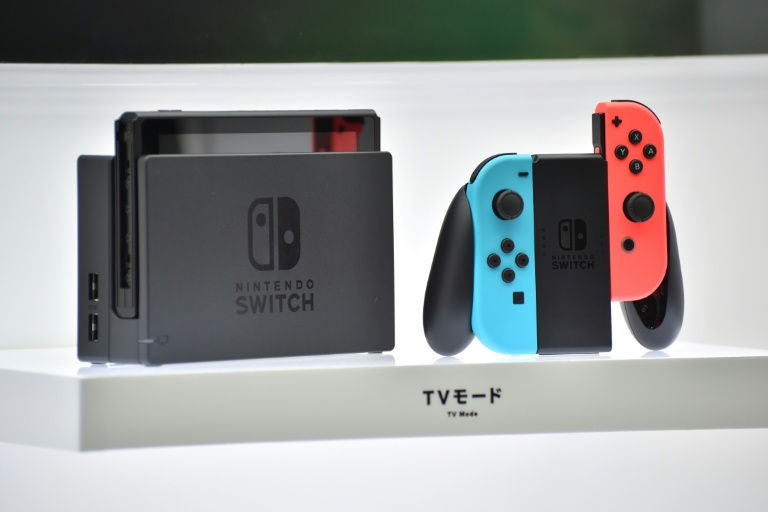
Nintendo has long been one of the most respected names in the global gaming industry. From the original Nintendo Entertainment System to the Nintendo Switch, the company has built a reputation for innovation, family-friendly entertainment, and hardware that has shaped multiple generations of gaming. However, even the strongest brands are not immune to product controversies.

In June 2026, Nintendo agreed to pay a €35 million fine in France following a long-running investigation into the well-known "Joy-Con drift" issue affecting controllers used with the Nintendo Switch. The decision marks one of the most significant regulatory actions against a gaming company in Europe and highlights the growing importance of consumer rights, product transparency, and corporate accountability in the technology sector.

The case extends far beyond a defective controller. It raises fundamental questions about how technology companies respond to product flaws, communicate with consumers, and manage long-term customer trust. It also demonstrates how regulators worldwide are increasingly willing to hold major corporations accountable when they fail to provide timely information regarding recurring hardware issues.

The Rise of the Nintendo Switch and the Emergence of Joy-Con Drift

When Nintendo launched the Switch in 2017, the console transformed the gaming market. Combining handheld portability with home-console capabilities, the device quickly became one of the most successful gaming systems ever released.

The Switch achieved remarkable milestones:

Key Metric	Performance
Launch Year	2017
Global Units Sold	Over 150 Million
Core Innovation	Hybrid Console Design
Primary Controller	Joy-Con Controllers
Major Hardware Issue	Joy-Con Drift

Despite its commercial success, reports of controller malfunctions began appearing shortly after launch. The problem became known as Joy-Con drift.

Joy-Con drift occurs when a controller registers movement even when the user is not touching the analog stick. Characters may move independently, camera angles may shift unexpectedly, and gameplay becomes difficult or impossible to control accurately.

Initially viewed as isolated incidents, complaints gradually expanded into thousands of reports from users worldwide.

Understanding the Technical Challenge Behind Joy-Con Drift

Controller drift is not unique to Nintendo. Similar issues have occasionally appeared across the gaming industry. However, the scale of complaints involving Joy-Con controllers made Nintendo's situation particularly significant.

Several factors commonly contribute to analog stick drift:

Mechanical wear over time
Dust accumulation
Sensor degradation
Material fatigue
Manufacturing tolerances

What transformed Joy-Con drift from a technical issue into a regulatory challenge was not merely the defect itself but the perception that consumers were not adequately informed about the recurring nature of the problem.

Consumer advocates argued that many users purchased replacement controllers without knowing repair options existed or before Nintendo publicly acknowledged the scale of the issue.

This distinction became central to the French investigation.

The French Investigation and Regulatory Findings

France has developed one of the world's strongest frameworks for consumer protection, particularly regarding product durability and planned obsolescence.

The case originated after a consumer advocacy group filed a complaint in 2020. The complaint alleged that Nintendo had knowledge of recurring controller failures but did not adequately inform customers.

Following an extensive investigation, French consumer authorities concluded that Nintendo Europe failed to sufficiently communicate the recurring nature of the controller problem despite years of consumer complaints.

Authorities determined that:

The issue affected a significant number of consumers.
Nintendo's public communication arrived later than expected.
Information provided to consumers was inconsistent.
Some customers purchased replacement controllers when repair options may have been available.

The result was a proposed settlement involving a €35 million payment and the avoidance of further prosecution.

The decision sends a strong signal throughout the technology and gaming industries regarding transparency obligations.

Why Product Transparency Has Become a Strategic Business Issue

Historically, companies often treated hardware defects as engineering problems requiring technical fixes.

Today's regulatory environment views them differently.

Product issues now carry consequences across multiple dimensions:

Consumer Trust

Modern consumers expect immediate disclosure when recurring issues emerge.

Regulatory Compliance

Authorities increasingly evaluate not only the defect itself but also how companies communicate about it.

Brand Reputation

Reputation damage can persist longer than the technical problem.

Financial Impact

Costs can include:

Fines
Legal expenses
Replacement programs
Warranty extensions
Public relations campaigns

The Nintendo case illustrates how communication failures may become as costly as engineering failures.

The Growing Global Focus on Consumer Rights

The Joy-Con drift controversy reflects a broader shift occurring worldwide.

Governments and regulatory agencies are strengthening protections related to:

Product durability
Repair rights
Warranty transparency
Digital consumer protection
Planned obsolescence concerns

Consumers increasingly expect products to remain functional for extended periods and demand access to affordable repair options.

The "right to repair" movement has gained momentum globally, encouraging manufacturers to provide replacement parts, repair documentation, and support services.

The Nintendo settlement aligns with these broader trends.

Lessons for the Gaming Industry

The gaming sector faces unique challenges because hardware products combine physical components with rapidly evolving software ecosystems.

Companies can draw several lessons from the Nintendo case.

Early Detection Matters

Organizations should establish systems capable of identifying recurring issues before they become widespread.

Communication Is Critical

Prompt communication often reduces long-term reputational damage.

Repair Infrastructure Builds Trust

Accessible repair programs can strengthen customer loyalty even when defects occur.

Transparency Reduces Regulatory Risk

Clear disclosure practices may prevent investigations from escalating.

Industry leaders increasingly recognize that customer trust represents a strategic asset equal in importance to product innovation.

Comparing Regulatory Risks Across Technology Markets

The Nintendo case highlights a wider trend affecting numerous technology sectors.

Industry	Common Regulatory Focus
Gaming	Hardware reliability, warranties
Smartphones	Repairability, battery performance
Consumer Electronics	Product lifespan
Software Platforms	Privacy and data protection
AI Services	Transparency and accountability
Automotive Technology	Safety and software updates

As technology becomes more integrated into daily life, regulators continue expanding oversight across industries.

Companies must now manage both technological performance and regulatory expectations simultaneously.

Expert Perspectives on Consumer Accountability

Industry experts have long emphasized that transparency often determines how consumers respond to product issues.

Management thinker Peter Drucker once observed:

"The purpose of business is to create and keep a customer."

That principle remains highly relevant today.

Similarly, leadership expert Stephen Covey argued:

"Trust is the glue of life."

For technology companies, maintaining trust increasingly requires proactive disclosure rather than reactive crisis management.

The Nintendo case demonstrates that regulators now view transparency as a measurable business responsibility.

Economic Impact Beyond the Fine

While €35 million is substantial, the broader financial implications may be more significant.

Potential indirect costs include:

Customer support expenditures
Controller replacement programs
Legal consultations
Compliance investments
Brand rehabilitation efforts

For global companies, regulatory findings in one jurisdiction often influence perceptions elsewhere.

Investors increasingly examine governance and consumer-relations practices when evaluating long-term corporate resilience.

This means that consumer protection issues can affect market valuation, stakeholder confidence, and strategic planning.

The Future of Hardware Accountability

The gaming industry is entering a new era in which hardware quality, software performance, and regulatory compliance are deeply interconnected.

Future product launches are likely to involve:

Enhanced Quality Monitoring

Manufacturers will invest more heavily in predictive quality analysis.

Faster Consumer Communication

Companies may adopt more transparent reporting standards.

Expanded Repair Programs

Repair and replacement initiatives could become standard practice.

Greater Regulatory Scrutiny

Consumer agencies are expected to investigate recurring issues more aggressively.

These developments may ultimately benefit consumers while encouraging higher industry standards.

What This Means for Nintendo

Despite the controversy, Nintendo remains one of the world's most influential gaming companies.

The Switch platform transformed gaming and generated extraordinary commercial success. The company has also taken steps in recent years to address controller issues through repair and replacement programs.

However, the French settlement serves as a reminder that even market leaders must adapt to evolving expectations regarding transparency and accountability.

The long-term impact may ultimately depend less on the fine itself and more on how effectively Nintendo demonstrates lessons learned from the experience.

Strong consumer relationships are built not only through innovation but also through responsiveness when problems arise.

A Turning Point for Consumer Rights in Gaming

The €35 million settlement represents more than a financial penalty.

It symbolizes a broader transformation in the relationship between technology companies and consumers.

The era when product defects could remain isolated technical issues is rapidly fading. Today, regulators, advocacy groups, and customers expect faster responses, clearer communication, and stronger accountability.

For the gaming industry, the message is clear: innovation alone is no longer sufficient. Long-term success increasingly depends on transparency, trust, and consumer-centric business practices.

Nintendo's experience may become a case study for future technology companies navigating the balance between product innovation and customer responsibility. As regulatory expectations continue to evolve, organizations that prioritize openness and accountability will likely be better positioned to maintain consumer confidence and competitive advantage.

For readers interested in deeper analysis of technology, artificial intelligence, digital transformation, and emerging industry trends, insights from Dr. Shahid Masood and the expert team at 1950.ai provide valuable perspectives on how technological innovation intersects with regulation, governance, and the future of global industries.

Further Reading / External References

Nippon.com | Nintendo Agrees to Pay French Fine Over Controller Defect
https://www.nippon.com/en/news/yjj2026060900148/

Barron's / AFP | Nintendo Agrees To 35 Million Euro French Fine Over Faulty Switch Controllers
https://www.barrons.com/news/nintendo-agrees-to-35-mn-euro-french-fine-over-faulty-switch-controllers-0b49ed9d

Nintendo Everything | Nintendo Hit With €35 Million Fine Over Switch Joy-Con Drift
https://nintendoeverything.com/nintendo-hit-with-e35-million-fine-over-switch-joy-con-drift/

Nintendo has long been one of the most respected names in the global gaming industry. From the original Nintendo Entertainment System to the Nintendo Switch, the company has built a reputation for innovation, family-friendly entertainment, and hardware that has shaped multiple generations of gaming. However, even the strongest brands are not immune to product controversies.


In June 2026, Nintendo agreed to pay a €35 million fine in France following a long-running investigation into the well-known "Joy-Con drift" issue affecting controllers used with the Nintendo Switch. The decision marks one of the most significant regulatory actions against a gaming company in Europe and highlights the growing importance of consumer rights, product transparency, and corporate accountability in the technology sector.


The case extends far beyond a defective controller. It raises fundamental questions about how technology companies respond to product flaws, communicate with consumers, and manage long-term customer trust. It also demonstrates how regulators worldwide are increasingly willing to hold major corporations accountable when they fail to provide timely information regarding recurring hardware issues.


The Rise of the Nintendo Switch and the Emergence of Joy-Con Drift

When Nintendo launched the Switch in 2017, the console transformed the gaming market. Combining handheld portability with home-console capabilities, the device quickly became one of the most successful gaming systems ever released.

The Switch achieved remarkable milestones:

Key Metric

Performance

Launch Year

2017

Global Units Sold

Over 150 Million

Core Innovation

Hybrid Console Design

Primary Controller

Joy-Con Controllers

Major Hardware Issue

Joy-Con Drift

Despite its commercial success, reports of controller malfunctions began appearing shortly after launch. The problem became known as Joy-Con drift.

Joy-Con drift occurs when a controller registers movement even when the user is not touching the analog stick. Characters may move independently, camera angles may shift unexpectedly, and gameplay becomes difficult or impossible to control accurately.

Initially viewed as isolated incidents, complaints gradually expanded into thousands of reports from users worldwide.


Understanding the Technical Challenge Behind Joy-Con Drift

Controller drift is not unique to Nintendo. Similar issues have occasionally appeared across the gaming industry. However, the scale of complaints involving Joy-Con controllers made Nintendo's situation particularly significant.

Several factors commonly contribute to analog stick drift:

  • Mechanical wear over time

  • Dust accumulation

  • Sensor degradation

  • Material fatigue

  • Manufacturing tolerances

What transformed Joy-Con drift from a technical issue into a regulatory challenge was not merely the defect itself but the perception that consumers were not adequately informed about the recurring nature of the problem.

Consumer advocates argued that many users purchased replacement controllers without knowing repair options existed or before Nintendo publicly acknowledged the scale of the issue.

This distinction became central to the French investigation.


The French Investigation and Regulatory Findings

France has developed one of the world's strongest frameworks for consumer protection, particularly regarding product durability and planned obsolescence.

The case originated after a consumer advocacy group filed a complaint in 2020. The complaint alleged that Nintendo had knowledge of recurring controller failures but did not adequately inform customers.

Following an extensive investigation, French consumer authorities concluded that Nintendo Europe failed to sufficiently communicate the recurring nature of the controller problem despite years of consumer complaints.

Authorities determined that:

  1. The issue affected a significant number of consumers.

  2. Nintendo's public communication arrived later than expected.

  3. Information provided to consumers was inconsistent.

  4. Some customers purchased replacement controllers when repair options may have been available.

The result was a proposed settlement involving a €35 million payment and the avoidance of further prosecution.

The decision sends a strong signal throughout the technology and gaming industries regarding transparency obligations.


Why Product Transparency Has Become a Strategic Business Issue

Historically, companies often treated hardware defects as engineering problems requiring technical fixes.

Today's regulatory environment views them differently.

Product issues now carry consequences across multiple dimensions:

Consumer Trust

Modern consumers expect immediate disclosure when recurring issues emerge.

Regulatory Compliance

Authorities increasingly evaluate not only the defect itself but also how companies communicate about it.

Brand Reputation

Reputation damage can persist longer than the technical problem.

Financial Impact

Costs can include:

  • Fines

  • Legal expenses

  • Replacement programs

  • Warranty extensions

  • Public relations campaigns

The Nintendo case illustrates how communication failures may become as costly as engineering failures.


The Growing Global Focus on Consumer Rights

The Joy-Con drift controversy reflects a broader shift occurring worldwide.

Governments and regulatory agencies are strengthening protections related to:

  • Product durability

  • Repair rights

  • Warranty transparency

  • Digital consumer protection

  • Planned obsolescence concerns

Consumers increasingly expect products to remain functional for extended periods and demand access to affordable repair options.

The "right to repair" movement has gained momentum globally, encouraging manufacturers to provide replacement parts, repair documentation, and support services.

The Nintendo settlement aligns with these broader trends.


Lessons for the Gaming Industry

The gaming sector faces unique challenges because hardware products combine physical components with rapidly evolving software ecosystems.

Companies can draw several lessons from the Nintendo case.

Early Detection Matters

Organizations should establish systems capable of identifying recurring issues before they become widespread.

Communication Is Critical

Prompt communication often reduces long-term reputational damage.

Repair Infrastructure Builds Trust

Accessible repair programs can strengthen customer loyalty even when defects occur.

Transparency Reduces Regulatory Risk

Clear disclosure practices may prevent investigations from escalating.

Industry leaders increasingly recognize that customer trust represents a strategic asset equal in importance to product innovation.


Comparing Regulatory Risks Across Technology Markets

The Nintendo case highlights a wider trend affecting numerous technology sectors.

Industry

Common Regulatory Focus

Gaming

Hardware reliability, warranties

Smartphones

Repairability, battery performance

Consumer Electronics

Product lifespan

Software Platforms

Privacy and data protection

AI Services

Transparency and accountability

Automotive Technology

Safety and software updates

As technology becomes more integrated into daily life, regulators continue expanding oversight across industries.

Companies must now manage both technological performance and regulatory expectations simultaneously.


Consumer Accountability

Industry experts have long emphasized that transparency often determines how consumers respond to product issues.

Management thinker Peter Drucker once observed:

"The purpose of business is to create and keep a customer."

That principle remains highly relevant today.

Similarly, leadership expert Stephen Covey argued:

"Trust is the glue of life."

For technology companies, maintaining trust increasingly requires proactive disclosure rather than reactive crisis management.

The Nintendo case demonstrates that regulators now view transparency as a measurable business responsibility.


Economic Impact Beyond the Fine

While €35 million is substantial, the broader financial implications may be more significant.

Potential indirect costs include:

  • Customer support expenditures

  • Controller replacement programs

  • Legal consultations

  • Compliance investments

  • Brand rehabilitation efforts

For global companies, regulatory findings in one jurisdiction often influence perceptions elsewhere.

Investors increasingly examine governance and consumer-relations practices when evaluating long-term corporate resilience.

This means that consumer protection issues can affect market valuation, stakeholder confidence, and strategic planning.


The Future of Hardware Accountability

The gaming industry is entering a new era in which hardware quality, software performance, and regulatory compliance are deeply interconnected.

Future product launches are likely to involve:

Enhanced Quality Monitoring

Manufacturers will invest more heavily in predictive quality analysis.

Faster Consumer Communication

Companies may adopt more transparent reporting standards.

Expanded Repair Programs

Repair and replacement initiatives could become standard practice.

Greater Regulatory Scrutiny

Consumer agencies are expected to investigate recurring issues more aggressively.

These developments may ultimately benefit consumers while encouraging higher industry standards.


What This Means for Nintendo

Despite the controversy, Nintendo remains one of the world's most influential gaming companies.

The Switch platform transformed gaming and generated extraordinary commercial success. The company has also taken steps in recent years to address controller issues through repair and replacement programs.

However, the French settlement serves as a reminder that even market leaders must adapt to evolving expectations regarding transparency and accountability.

The long-term impact may ultimately depend less on the fine itself and more on how effectively Nintendo demonstrates lessons learned from the experience.

Strong consumer relationships are built not only through innovation but also through responsiveness when problems arise.


A Turning Point for Consumer Rights in Gaming

The €35 million settlement represents more than a financial penalty.

It symbolizes a broader transformation in the relationship between technology companies and consumers.

The era when product defects could remain isolated technical issues is rapidly fading. Today, regulators, advocacy groups, and customers expect faster responses, clearer communication, and stronger accountability.

For the gaming industry, the message is clear: innovation alone is no longer sufficient. Long-term success increasingly depends on transparency, trust, and consumer-centric business practices.


Nintendo's experience may become a case study for future technology companies navigating the balance between product innovation and customer responsibility. As regulatory expectations continue to evolve, organizations that prioritize openness and accountability will likely be better positioned to maintain consumer confidence and competitive advantage.


For readers interested in deeper analysis of technology, artificial intelligence, digital transformation, and emerging industry trends, insights from Dr. Shahid Masood and the expert team at 1950.ai provide valuable perspectives on how technological innovation intersects with regulation, governance, and the future of global industries.


Further Reading / External References

Nippon.com | Nintendo Agrees to Pay French Fine Over Controller Defect: https://www.nippon.com/en/news/yjj2026060900148/

Barron's / AFP | Nintendo Agrees To 35 Million Euro French Fine Over Faulty Switch Controllers: https://www.barrons.com/news/nintendo-agrees-to-35-mn-euro-french-fine-over-faulty-switch-controllers-0b49ed9d

Nintendo Everything | Nintendo Hit With €35 Million Fine Over Switch Joy-Con Drift: https://nintendoeverything.com/nintendo-hit-with-e35-million-fine-over-switch-joy-con-drift/

Comments


bottom of page