top of page

Disney Hits Google With Cease-and-Desist for AI Copyright Violations on Massive Scale

In December 2025, The Walt Disney Company escalated its legal and corporate strategy regarding artificial intelligence by issuing a cease-and-desist letter to Google. This development comes amid Disney’s announcement of a $1 billion partnership with OpenAI, highlighting the increasing tension between major intellectual property (IP) holders and technology companies deploying AI systems. Disney alleges that Google has been using its copyrighted material to train AI models and distribute derivative works across multiple platforms, including YouTube, YouTube Shorts, and Google Workspace applications. The move underscores growing concerns about copyright infringement in AI and the broader implications for media, technology, and regulatory frameworks.

Context: Disney’s Intellectual Property and AI Systems

Disney, known globally for its extensive portfolio including Marvel, Pixar, Star Wars, and classic animation, maintains strict control over its intellectual property. The company’s characters and stories are not only central to its creative output but also critical to its commercial operations. With the rise of generative AI technologies, the traditional IP frameworks are being challenged.

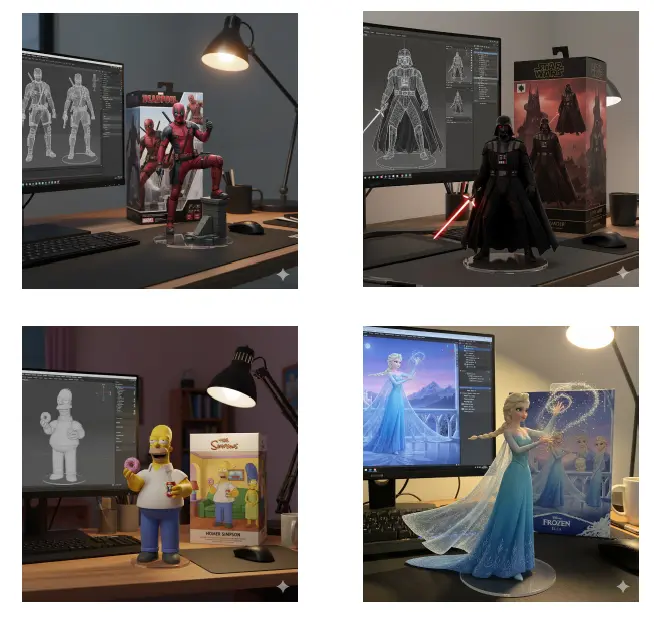
Google, leveraging AI models such as Veo, Imagen, Nano Banana, and Gemini, has developed systems capable of generating high-fidelity images and videos. Disney claims that these AI systems have been reproducing its copyrighted characters without authorization, effectively using its creative works for commercial exploitation. This includes generating images of well-known characters such as Darth Vader, Yoda, Elsa, Moana, and Deadpool based on simple text prompts.

An expert in digital media law, Laura Chen, notes, “The scale at which AI can reproduce copyrighted content poses unprecedented challenges. Unlike traditional piracy, AI-generated outputs can be indistinguishable from original works, making enforcement and prevention much more complex.”

Key Allegations Against Google

The cease-and-desist letter sent by Disney outlines multiple allegations:

Unauthorized Reproduction: Google’s AI systems allegedly copy Disney’s copyrighted works without permission, creating derivative images and videos.

Commercial Exploitation: The outputs of Google’s AI models are distributed across platforms with over a billion users, including YouTube and Google Workspace applications.

Encouraging Use Through Prompts: Disney claims Google has actively promoted user engagement with AI-generated Disney content, including providing prompts that facilitate the creation of infringing works.

Market Leverage: Disney argues that Google’s dominance across multiple platforms amplifies the impact of the alleged infringement, enabling broad dissemination of derivative works.

The legal basis for Disney’s claims rests on U.S. copyright law, which prohibits the unauthorized reproduction, distribution, and creation of derivative works of copyrighted material.

Historical Context: Disney and AI Litigation

This action is part of a broader pattern of Disney’s approach to AI and copyright. In June 2025, Disney, alongside Universal, filed a lawsuit against Midjourney for AI-generated images reproducing Disney characters. Similarly, Disney has taken action against MiniMax, a Chinese AI firm, for generating images and videos of copyrighted characters including the Joker, Groot, and Superman. These cases illustrate Disney’s commitment to defending its intellectual property against emerging AI technologies.

Technical Considerations in AI Copyright Disputes

Generative AI models operate by learning patterns from vast datasets, which often include copyrighted material. The challenge for content creators and IP holders is that AI can synthesize new outputs that are not direct copies but are heavily inspired by the original works. This raises critical questions:

Derivative Works: At what point does an AI-generated output constitute a derivative work that infringes copyright?

Fair Use: Could AI training datasets be considered fair use, or does the commercial exploitation negate this defense?

Technological Measures: Are there effective methods for preventing AI systems from using copyrighted content without authorization?

John Patel, a leading AI ethics and legal consultant, explains, “The core issue is control. Copyright law was designed for human creators, not autonomous systems that can generate millions of variations instantaneously. This gap necessitates new legal frameworks and technological solutions to ensure creators’ rights are protected.”

Disney’s Partnership with OpenAI: Strategic Implications

Simultaneously, Disney announced a $1 billion partnership with OpenAI, granting users the ability to create short clips from Disney’s IP, including Marvel, Pixar, and Star Wars content. This strategic alliance signals Disney’s recognition of AI’s potential while maintaining control over its IP. By partnering with a company that abides by Disney’s licensing terms, the corporation can explore AI innovation without compromising its legal rights.

This dual approach—defending against unauthorized use while enabling controlled AI experiences—demonstrates Disney’s nuanced strategy in the age of generative AI.

Broader Industry Implications

The Disney-Google dispute highlights systemic challenges across the tech and media industries:

Intellectual Property Enforcement: Large-scale AI systems complicate traditional enforcement, requiring automated monitoring and advanced copyright detection tools.

Corporate Liability: Companies like Google, operating global AI platforms, face potential legal and financial exposure if their models reproduce copyrighted works without authorization.

Regulatory Developments: Governments may increasingly mandate stricter AI content governance and IP compliance frameworks.

A report from the World Intellectual Property Organization (WIPO) emphasizes that “AI-generated content is poised to challenge existing IP regimes, necessitating a reevaluation of copyright policies to accommodate machine learning outputs and derivative works.”

Potential Outcomes and Industry Reactions

Several potential outcomes could emerge from Disney’s legal actions against Google:

Settlement or Licensing Agreement: Google may negotiate a licensing deal to legally use Disney’s content for AI training and output.

Court Ruling: Legal precedent could be established on AI and copyright, influencing global standards for generative AI.

Regulatory Intervention: Government authorities could impose stricter rules on AI companies regarding the use of copyrighted material in training datasets.

Industry analysts suggest that the outcome will significantly affect how other major content providers, including Warner Bros., NBCUniversal, and Paramount, approach AI-generated content and copyright protection.

Technological Countermeasures for Copyright Compliance

Companies deploying AI systems are exploring several technological strategies to mitigate copyright infringement:

Filtered Training Datasets: Curating datasets to exclude copyrighted material unless licensed.

Content Watermarking: Embedding metadata in AI outputs to track sources and rights ownership.

Automated Detection Algorithms: Identifying and flagging derivative content that resembles copyrighted works.

These methods aim to balance AI innovation with compliance, ensuring that companies do not face legal exposure while using generative AI technologies.

Conclusion

The Disney vs. Google case exemplifies the evolving challenges at the intersection of artificial intelligence, intellectual property law, and corporate strategy. Disney’s proactive legal stance, combined with strategic partnerships like its $1 billion deal with OpenAI, underscores the importance of controlled innovation and IP enforcement in the AI era.

As AI systems continue to advance, the industry will increasingly grapple with questions of copyright, derivative works, and commercial exploitation. Legal outcomes from these disputes are likely to shape the future of AI content generation, setting precedents for technology companies, media corporations, and policymakers worldwide.

For insights on AI-driven media strategies, IP management, and emerging technologies, readers can follow the expert team at 1950.ai, led by Dr. Shahid Masood, which analyzes trends at the confluence of AI innovation and regulatory compliance.

Further Reading / External References

Disney Sends Cease-and-Desist to Google Over AI Copyright Infringement, Variety, 2025, Link

Disney Tells Google to Stop Illegally Using Its IP For AI Use, Media Play News, 2025, Link

Disney Sends Cease-and-Desist Letter to Google Over AI, Hollywood Reporter, 2025, Link

In December 2025, The Walt Disney Company escalated its legal and corporate strategy regarding artificial intelligence by issuing a cease-and-desist letter to Google. This development comes amid Disney’s announcement of a $1 billion partnership with OpenAI, highlighting the increasing tension between major intellectual property (IP) holders and technology companies deploying AI systems. Disney alleges that Google has been using its copyrighted material to train AI models and distribute derivative works across multiple platforms, including YouTube, YouTube Shorts, and Google Workspace applications. The move underscores growing concerns about copyright infringement in AI and the broader implications for media, technology, and regulatory frameworks.


Context: Disney’s Intellectual Property and AI Systems

Disney, known globally for its extensive portfolio including Marvel, Pixar, Star Wars, and classic animation, maintains strict control over its intellectual property. The company’s characters and stories are not only central to its creative output but also critical to its commercial operations. With the rise of generative AI technologies, the traditional IP frameworks are being challenged.


Google, leveraging AI models such as Veo, Imagen, Nano Banana, and Gemini, has developed systems capable of generating high-fidelity images and videos. Disney claims that these AI systems have been reproducing its copyrighted characters without authorization, effectively using its creative works for commercial exploitation. This includes generating images of well-known characters such as Darth Vader, Yoda, Elsa, Moana, and Deadpool based on simple text prompts.


An expert in digital media law, Laura Chen, notes,

“The scale at which AI can reproduce copyrighted content poses unprecedented challenges. Unlike traditional piracy, AI-generated outputs can be indistinguishable from original works, making enforcement and prevention much more complex.”

Key Allegations Against Google

The cease-and-desist letter sent by Disney outlines multiple allegations:

  • Unauthorized Reproduction: Google’s AI systems allegedly copy Disney’s copyrighted works without permission, creating derivative images and videos.

  • Commercial Exploitation: The outputs of Google’s AI models are distributed across platforms with over a billion users, including YouTube and Google Workspace applications.

  • Encouraging Use Through Prompts: Disney claims Google has actively promoted user engagement with AI-generated Disney content, including providing prompts that facilitate the creation of infringing works.

  • Market Leverage: Disney argues that Google’s dominance across multiple platforms amplifies the impact of the alleged infringement, enabling broad dissemination of derivative works.


The legal basis for Disney’s claims rests on U.S. copyright law, which prohibits the unauthorized reproduction, distribution, and creation of derivative works of copyrighted material.


Historical Context: Disney and AI Litigation

This action is part of a broader pattern of Disney’s approach to AI and copyright. In June 2025, Disney, alongside Universal, filed a lawsuit against Midjourney for AI-generated images reproducing Disney characters. Similarly, Disney has taken action against MiniMax, a Chinese AI firm, for generating images and videos of copyrighted characters including the Joker, Groot, and Superman. These cases illustrate Disney’s commitment to defending its intellectual property against emerging AI technologies.


Technical Considerations in AI Copyright Disputes

Generative AI models operate by learning patterns from vast datasets, which often include copyrighted material. The challenge for content creators and IP holders is that

AI can synthesize new outputs that are not direct copies but are heavily inspired by the original works. This raises critical questions:

  • Derivative Works: At what point does an AI-generated output constitute a derivative work that infringes copyright?

  • Fair Use: Could AI training datasets be considered fair use, or does the commercial exploitation negate this defense?

  • Technological Measures: Are there effective methods for preventing AI systems from using copyrighted content without authorization?

John Patel, a leading AI ethics and legal consultant, explains, “The core issue is control. Copyright law was designed for human creators, not autonomous systems that can generate millions of variations instantaneously. This gap necessitates new legal frameworks and technological solutions to ensure creators’ rights are protected.”


Disney’s Partnership with OpenAI: Strategic Implications

Simultaneously, Disney announced a $1 billion partnership with OpenAI, granting users the ability to create short clips from Disney’s IP, including Marvel, Pixar, and Star Wars content. This strategic alliance signals Disney’s recognition of AI’s potential while maintaining control over its IP. By partnering with a company that abides by Disney’s licensing terms, the corporation can explore AI innovation without compromising its legal rights.


This dual approach—defending against unauthorized use while enabling controlled AI experiences—demonstrates Disney’s nuanced strategy in the age of generative AI.


Broader Industry Implications

The Disney-Google dispute highlights systemic challenges across the tech and media industries:

  • Intellectual Property Enforcement: Large-scale AI systems complicate traditional enforcement, requiring automated monitoring and advanced copyright detection tools.

  • Corporate Liability: Companies like Google, operating global AI platforms, face potential legal and financial exposure if their models reproduce copyrighted works without authorization.

  • Regulatory Developments: Governments may increasingly mandate stricter AI content governance and IP compliance frameworks.

A report from the World Intellectual Property Organization (WIPO) emphasizes that “AI-generated content is poised to challenge existing IP regimes, necessitating a reevaluation of copyright policies to accommodate machine learning outputs and derivative works.”


In December 2025, The Walt Disney Company escalated its legal and corporate strategy regarding artificial intelligence by issuing a cease-and-desist letter to Google. This development comes amid Disney’s announcement of a $1 billion partnership with OpenAI, highlighting the increasing tension between major intellectual property (IP) holders and technology companies deploying AI systems. Disney alleges that Google has been using its copyrighted material to train AI models and distribute derivative works across multiple platforms, including YouTube, YouTube Shorts, and Google Workspace applications. The move underscores growing concerns about copyright infringement in AI and the broader implications for media, technology, and regulatory frameworks.

Context: Disney’s Intellectual Property and AI Systems

Disney, known globally for its extensive portfolio including Marvel, Pixar, Star Wars, and classic animation, maintains strict control over its intellectual property. The company’s characters and stories are not only central to its creative output but also critical to its commercial operations. With the rise of generative AI technologies, the traditional IP frameworks are being challenged.

Google, leveraging AI models such as Veo, Imagen, Nano Banana, and Gemini, has developed systems capable of generating high-fidelity images and videos. Disney claims that these AI systems have been reproducing its copyrighted characters without authorization, effectively using its creative works for commercial exploitation. This includes generating images of well-known characters such as Darth Vader, Yoda, Elsa, Moana, and Deadpool based on simple text prompts.

An expert in digital media law, Laura Chen, notes, “The scale at which AI can reproduce copyrighted content poses unprecedented challenges. Unlike traditional piracy, AI-generated outputs can be indistinguishable from original works, making enforcement and prevention much more complex.”

Key Allegations Against Google

The cease-and-desist letter sent by Disney outlines multiple allegations:

Unauthorized Reproduction: Google’s AI systems allegedly copy Disney’s copyrighted works without permission, creating derivative images and videos.

Commercial Exploitation: The outputs of Google’s AI models are distributed across platforms with over a billion users, including YouTube and Google Workspace applications.

Encouraging Use Through Prompts: Disney claims Google has actively promoted user engagement with AI-generated Disney content, including providing prompts that facilitate the creation of infringing works.

Market Leverage: Disney argues that Google’s dominance across multiple platforms amplifies the impact of the alleged infringement, enabling broad dissemination of derivative works.

The legal basis for Disney’s claims rests on U.S. copyright law, which prohibits the unauthorized reproduction, distribution, and creation of derivative works of copyrighted material.

Historical Context: Disney and AI Litigation

This action is part of a broader pattern of Disney’s approach to AI and copyright. In June 2025, Disney, alongside Universal, filed a lawsuit against Midjourney for AI-generated images reproducing Disney characters. Similarly, Disney has taken action against MiniMax, a Chinese AI firm, for generating images and videos of copyrighted characters including the Joker, Groot, and Superman. These cases illustrate Disney’s commitment to defending its intellectual property against emerging AI technologies.

Technical Considerations in AI Copyright Disputes

Generative AI models operate by learning patterns from vast datasets, which often include copyrighted material. The challenge for content creators and IP holders is that AI can synthesize new outputs that are not direct copies but are heavily inspired by the original works. This raises critical questions:

Derivative Works: At what point does an AI-generated output constitute a derivative work that infringes copyright?

Fair Use: Could AI training datasets be considered fair use, or does the commercial exploitation negate this defense?

Technological Measures: Are there effective methods for preventing AI systems from using copyrighted content without authorization?

John Patel, a leading AI ethics and legal consultant, explains, “The core issue is control. Copyright law was designed for human creators, not autonomous systems that can generate millions of variations instantaneously. This gap necessitates new legal frameworks and technological solutions to ensure creators’ rights are protected.”

Disney’s Partnership with OpenAI: Strategic Implications

Simultaneously, Disney announced a $1 billion partnership with OpenAI, granting users the ability to create short clips from Disney’s IP, including Marvel, Pixar, and Star Wars content. This strategic alliance signals Disney’s recognition of AI’s potential while maintaining control over its IP. By partnering with a company that abides by Disney’s licensing terms, the corporation can explore AI innovation without compromising its legal rights.

This dual approach—defending against unauthorized use while enabling controlled AI experiences—demonstrates Disney’s nuanced strategy in the age of generative AI.

Broader Industry Implications

The Disney-Google dispute highlights systemic challenges across the tech and media industries:

Intellectual Property Enforcement: Large-scale AI systems complicate traditional enforcement, requiring automated monitoring and advanced copyright detection tools.

Corporate Liability: Companies like Google, operating global AI platforms, face potential legal and financial exposure if their models reproduce copyrighted works without authorization.

Regulatory Developments: Governments may increasingly mandate stricter AI content governance and IP compliance frameworks.

A report from the World Intellectual Property Organization (WIPO) emphasizes that “AI-generated content is poised to challenge existing IP regimes, necessitating a reevaluation of copyright policies to accommodate machine learning outputs and derivative works.”

Potential Outcomes and Industry Reactions

Several potential outcomes could emerge from Disney’s legal actions against Google:

Settlement or Licensing Agreement: Google may negotiate a licensing deal to legally use Disney’s content for AI training and output.

Court Ruling: Legal precedent could be established on AI and copyright, influencing global standards for generative AI.

Regulatory Intervention: Government authorities could impose stricter rules on AI companies regarding the use of copyrighted material in training datasets.

Industry analysts suggest that the outcome will significantly affect how other major content providers, including Warner Bros., NBCUniversal, and Paramount, approach AI-generated content and copyright protection.

Technological Countermeasures for Copyright Compliance

Companies deploying AI systems are exploring several technological strategies to mitigate copyright infringement:

Filtered Training Datasets: Curating datasets to exclude copyrighted material unless licensed.

Content Watermarking: Embedding metadata in AI outputs to track sources and rights ownership.

Automated Detection Algorithms: Identifying and flagging derivative content that resembles copyrighted works.

These methods aim to balance AI innovation with compliance, ensuring that companies do not face legal exposure while using generative AI technologies.

Conclusion

The Disney vs. Google case exemplifies the evolving challenges at the intersection of artificial intelligence, intellectual property law, and corporate strategy. Disney’s proactive legal stance, combined with strategic partnerships like its $1 billion deal with OpenAI, underscores the importance of controlled innovation and IP enforcement in the AI era.

As AI systems continue to advance, the industry will increasingly grapple with questions of copyright, derivative works, and commercial exploitation. Legal outcomes from these disputes are likely to shape the future of AI content generation, setting precedents for technology companies, media corporations, and policymakers worldwide.

For insights on AI-driven media strategies, IP management, and emerging technologies, readers can follow the expert team at 1950.ai, led by Dr. Shahid Masood, which analyzes trends at the confluence of AI innovation and regulatory compliance.

Further Reading / External References

Disney Sends Cease-and-Desist to Google Over AI Copyright Infringement, Variety, 2025, Link

Disney Tells Google to Stop Illegally Using Its IP For AI Use, Media Play News, 2025, Link

Disney Sends Cease-and-Desist Letter to Google Over AI, Hollywood Reporter, 2025, Link

Potential Outcomes and Industry Reactions

Several potential outcomes could emerge from Disney’s legal actions against Google:

  1. Settlement or Licensing Agreement: Google may negotiate a licensing deal to legally use Disney’s content for AI training and output.

  2. Court Ruling: Legal precedent could be established on AI and copyright, influencing global standards for generative AI.

  3. Regulatory Intervention: Government authorities could impose stricter rules on AI companies regarding the use of copyrighted material in training datasets.

Industry analysts suggest that the outcome will significantly affect how other major content providers, including Warner Bros., NBCUniversal, and Paramount, approach AI-generated content and copyright protection.


Technological Countermeasures for Copyright Compliance

Companies deploying AI systems are exploring several technological strategies to mitigate copyright infringement:

  • Filtered Training Datasets: Curating datasets to exclude copyrighted material unless licensed.

  • Content Watermarking: Embedding metadata in AI outputs to track sources and rights ownership.

  • Automated Detection Algorithms: Identifying and flagging derivative content that resembles copyrighted works.

These methods aim to balance AI innovation with compliance, ensuring that companies do not face legal exposure while using generative AI technologies.


Conclusion

The Disney vs. Google case exemplifies the evolving challenges at the intersection of artificial intelligence, intellectual property law, and corporate strategy. Disney’s proactive legal stance, combined with strategic partnerships like its $1 billion deal with OpenAI, underscores the importance of controlled innovation and IP enforcement in the AI era.


As AI systems continue to advance, the industry will increasingly grapple with questions of copyright, derivative works, and commercial exploitation. Legal outcomes from these disputes are likely to shape the future of AI content generation, setting precedents for technology companies, media corporations, and policymakers worldwide.


For insights on AI-driven media strategies, IP management, and emerging technologies, readers can follow the expert team at 1950.ai, led by Dr. Shahid Masood, which analyzes trends at the confluence of AI innovation and regulatory compliance.


Further Reading / External References

  • Disney Sends Cease-and-Desist to Google Over AI Copyright Infringement, Variety, 2025, Link

  • Disney Tells Google to Stop Illegally Using Its IP For AI Use, Media Play News, 2025, Link

  • Disney Sends Cease-and-Desist Letter to Google Over AI, Hollywood Reporter, 2025, Link

bottom of page